
How Embedded Engineering Is Transforming the Automotive Industry
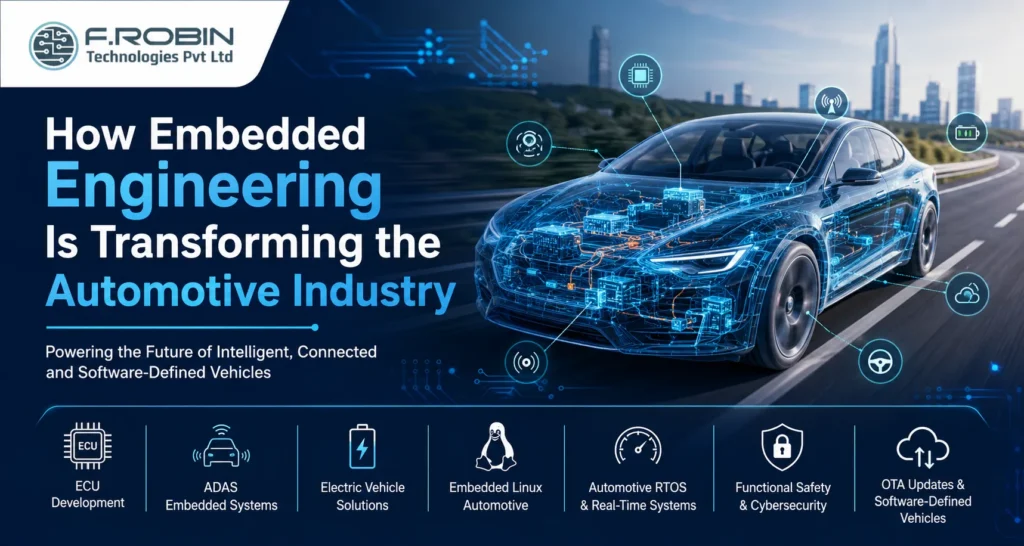
Modern vehicles are evolving into intelligent computing platforms powered by software, sensors, processors, and connected technologies. At the center of this transformation is Embedded Engineering, which enables real-time communication, automation, safety, and vehicle intelligence. From advanced driver assistance systems (ADAS) and electric vehicle battery management to infotainment and autonomous driving technologies, automotive embedded systems are redefining the future of mobility. Today’s automotive manufacturers rely heavily on embedded engineering services to develop scalable, reliable, and high-performance systems that improve safety, connectivity, and driving experience. As the industry moves toward software-defined vehicles, embedded technologies continue to shape how vehicles are designed, controlled, and maintained. In this article, we explore how embedded engineering is transforming the automotive industry, key technologies involved, major applications, industry challenges, and future trends driving intelligent transportation. What Is Embedded Engineering? Embedded Engineering refers to the design and development of dedicated hardware and software systems that perform specific functions within larger electronic systems. In the automotive industry, embedded systems are responsible for controlling critical vehicle operations such as: Unlike general-purpose computing systems, automotive embedded systems are optimized for: These systems integrate processors, firmware, operating systems, sensors, and communication protocols to enable intelligent vehicle functionality. Real-Time Processing in Automotive Embedded Systems Real-time processing is one of the most important aspects of automotive embedded systems. Critical vehicle operations such as braking, steering, and collision detection require immediate responses without delays. Automotive RTOS platforms help ensure deterministic performance for these safety-critical applications. Why Embedded Engineering Matters in Automotive The automotive industry is rapidly transitioning toward connected, autonomous, and electric vehicles. This evolution increases the demand for advanced embedded engineering services. Modern vehicles contain hundreds of electronic control units (ECUs) and millions of lines of software code. Embedded systems allow manufacturers to improve: Without embedded engineering, modern innovations such as adaptive cruise control, lane-keeping assistance, smart infotainment, and electric vehicle management would not exist. How Automotive Embedded Systems Improve Vehicle Safety Automotive embedded systems continuously monitor sensor data and vehicle conditions in real time. These systems can instantly detect hazards, trigger warnings, and activate safety mechanisms. Examples include: These technologies significantly reduce accidents and improve passenger safety. Key Automotive Applications of Embedded Systems Embedded systems are now integrated into nearly every modern automotive function. Embedded Software in Connected Vehicles Connected vehicles use embedded systems to enable: Embedded Linux automotive platforms are commonly used for connected vehicle infrastructure because of their flexibility and scalability. ADAS Embedded Systems ADAS embedded systems improve vehicle intelligence and driver assistance. These systems process information from: ADAS applications include: Because these systems must react instantly, they require powerful embedded processors and real-time operating systems. ECU Development and Intelligent Vehicle Control What Is ECU Development? Electronic Control Unit (ECU) development involves designing embedded controllers that manage specific automotive functions. Each ECU is responsible for dedicated operations such as: Modern vehicles may contain more than 100 ECUs communicating through automotive networks. ECU development includes: Automotive firmware development ensures ECUs operate reliably under harsh environmental conditions. Key Functions of Automotive ECUs Automotive ECUs help manufacturers improve: As vehicle software complexity increases, ECU architecture becomes even more important for automotive system engineering. Embedded Engineering in Electric Vehicles Electric vehicles depend heavily on embedded systems to optimize performance, efficiency, and battery safety. Battery Management Systems in Electric Vehicles Battery Management Systems (BMS) monitor: These intelligent control systems maximize battery lifespan while preventing overheating and power failures. EV Charging Infrastructure and Smart Power Management Modern EV platforms also support: These technologies improve charging efficiency and enhance overall electric vehicle reliability. Automotive RTOS and Real-Time Performance What Is Automotive RTOS? An automotive RTOS (Real-Time Operating System) is designed to process tasks within strict timing constraints. These operating systems ensure deterministic performance for safety-critical systems such as: Popular automotive RTOS platforms include: Popular Automotive RTOS Platforms Automotive RTOS platforms help improve: These systems are essential for advanced automotive electronics systems. Challenges in Automotive Embedded Engineering Despite rapid innovation, automotive embedded engineering faces several technical challenges. Functional Safety in Automotive System Engineering Automotive embedded systems must comply with strict safety standards such as ISO 26262. Manufacturers must ensure: Cybersecurity Challenges in Vehicle Embedded Systems Connected vehicles face growing cybersecurity threats. Manufacturers must protect: Automotive cybersecurity is becoming a major priority in embedded engineering. Future Trends in Automotive Embedded Systems The future of automotive innovation will continue to rely on embedded technologies. AI and Software-Defined Vehicles Software-defined vehicles (SDVs) use centralized software platforms to manage vehicle functions dynamically. Artificial intelligence improves: Over-the-Air Updates and Automotive Firmware Development OTA updates allow manufacturers to remotely deploy: This reduces maintenance costs while improving customer experience. Best Practices for Automotive System Engineering Organizations implementing automotive embedded systems should follow several best practices. Strong embedded engineering services help automotive companies accelerate innovation while maintaining safety and reliability. Comparison Table Technology Primary Purpose Key Benefit ADAS Embedded Systems Driver assistance Improved vehicle safety Automotive RTOS Real-time control Deterministic performance Embedded Linux Automotive Connectivity and infotainment Scalability ECU Development Vehicle function control Intelligent automation EV Embedded Systems Battery and motor management Energy optimization Key Takeaways Conclusion The automotive industry is undergoing a major transformation driven by Embedded Engineering. From intelligent safety systems and connected infotainment platforms to electric vehicle battery optimization and autonomous driving technologies, embedded systems now define the future of mobility. As vehicles become increasingly software-driven, manufacturers require scalable, secure, and high-performance embedded solutions to remain competitive. Organizations investing in advanced automotive embedded systems and engineering expertise will be better positioned to lead the next generation of intelligent transportation and connected mobility solutions. Accelerate Automotive Innovation with Advanced Embedded Solutions Explore our System Engineering Services for embedded software development, ECU engineering, RTOS integration, testing, and automotive system engineering solutions. For project discussions and technical consultation, connect with our experts through the Contact Us Page . Explore Services Contact Our Team Frequently Asked Questions
What Is Embedded System Design? A Complete Beginner’s Guide 2026
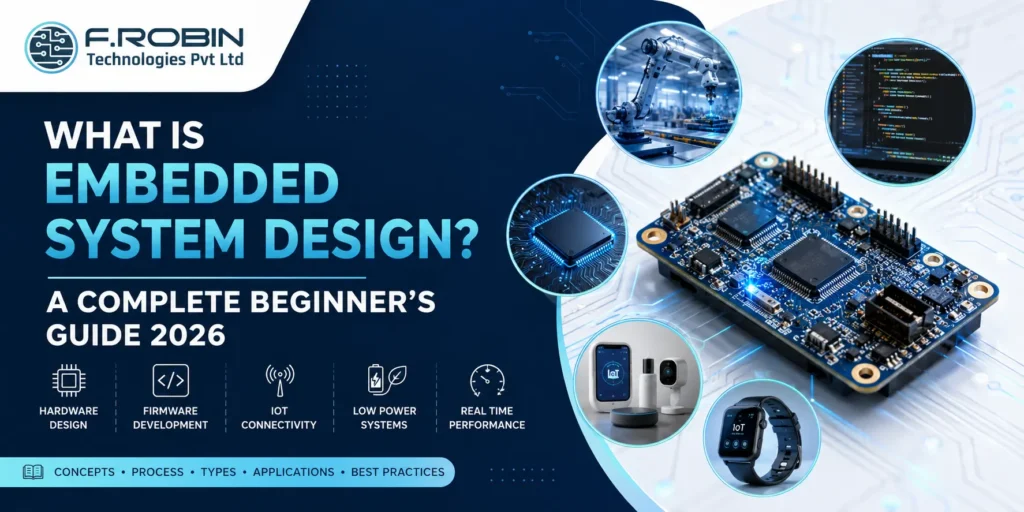
Embedded System Design is the process of building dedicated computing systems that perform specific tasks inside machines, products, and electronic devices. Unlike desktop computers, embedded systems are optimized for efficiency, reliability, speed, and low power use. Today, embedded systems power smart appliances, EVs, industrial machines, healthcare devices, consumer electronics, and IoT products. If you want to understand how modern devices think, sense, and respond, learning embedded system design is the best place to start. This guide explains the fundamentals, components, design process, types, applications, and best practices for beginners in 2026. What Is Embedded System Design? Embedded System Design is the engineering process of combining hardware and software into a specialized system built for one purpose or a defined set of functions. These systems are found inside products rather than used as standalone computers. Examples: Simple Definition for Featured Snippet An embedded system is a small computer integrated into a device to control operations, process data, and interact with sensors or users. Why Embedded Systems Matter Embedded systems are essential because they provide: Without embedded systems, modern smart devices would not function efficiently. Core Components of Embedded System Design 1. Processor or Microcontroller This is the brain of the system. It executes instructions and manages all functions. Popular choices: 2. Memory Used to store software and data. 3. Sensors and Inputs These detect the environment. Examples: 4. Outputs Outputs help the system react. Examples: 5. Communication Interfaces Devices exchange data using: 6. Power Management Critical in low power embedded systems for battery products. Embedded System Design Process What Are the 4 Types of Embedded Systems? 1. Standalone Embedded Systems Operate independently. Examples: 2. Real-Time Embedded Systems Respond within strict deadlines. Examples: 3. Networked Embedded Systems Connected through wired or wireless networks. Examples: 4. Mobile Embedded Systems Portable battery-powered products. Examples: Embedded System Hardware vs Software Design Both hardware and software must work together for successful embedded product development. Feature Hardware Design Software Design Focus PCB, chips, interfaces Firmware, drivers, control Tools Altium, Cadence IDE, compiler, debugger Output Physical electronics Embedded code Goal Reliable circuit operation Functional system behavior Real Time Embedded System Design Real time embedded system design is required when delays can cause failure or danger. Used in: These systems often use: Low Power Embedded Systems Energy efficiency is critical for battery products. Best Practices: Examples: Software Design for IoT Embedded Systems Modern IoT products require more than basic firmware. Key features include: Applications of Embedded Systems Embedded systems are widely used across industries to improve automation, control, and smart functionality. Industry Application Automotive ECU, infotainment, ADAS Medical Monitors, wearable health devices Industrial PLCs, robotics, HMI Consumer TVs, smart appliances Telecom Routers, gateways Energy Smart meters, inverters Comparison Tables Comparison Tables Embedded Systems vs General-Purpose Computers Feature Embedded System General Computer Purpose Dedicated task Multi-purpose Power Use Low Higher Size Compact Larger Reliability High Moderate Example ECU Laptop RTOS vs Bare Metal Feature RTOS Bare Metal Scheduling Task based Main loop Complexity Medium Low Best For Complex systems Simple devices Scalability High Limited Designing an Embedded System: Best Practices Follow these best practices to improve product reliability, reduce development risk, and speed up embedded system deployment. Keep Requirements Clear Poor requirements often lead to delays, redesigns, and higher costs. Prototype Early Validate hardware and firmware sooner to detect issues early. Prioritize Security Use secure firmware, encrypted communication, and protected boot systems. Optimize Manufacturability Design PCB layouts for scalable, cost-effective production. Test Continuously Run validation tests throughout development for better reliability. Plan Future Upgrades Use scalable architecture to support future features and updates. Key Takeaways Conclusion Embedded systems are the hidden intelligence behind everyday technology. Whether inside a smartwatch, industrial robot, EV, or smart appliance, embedded controllers make devices efficient and responsive. Learning Embedded System Design gives engineers and product teams the foundation to build innovative connected products in 2026 and beyond. Need Help with Embedded Product Development? Get expert support for embedded hardware design, firmware development, PCB engineering, and complete product engineering solutions for your next innovation. Explore Engineering Services FAQ Section
